
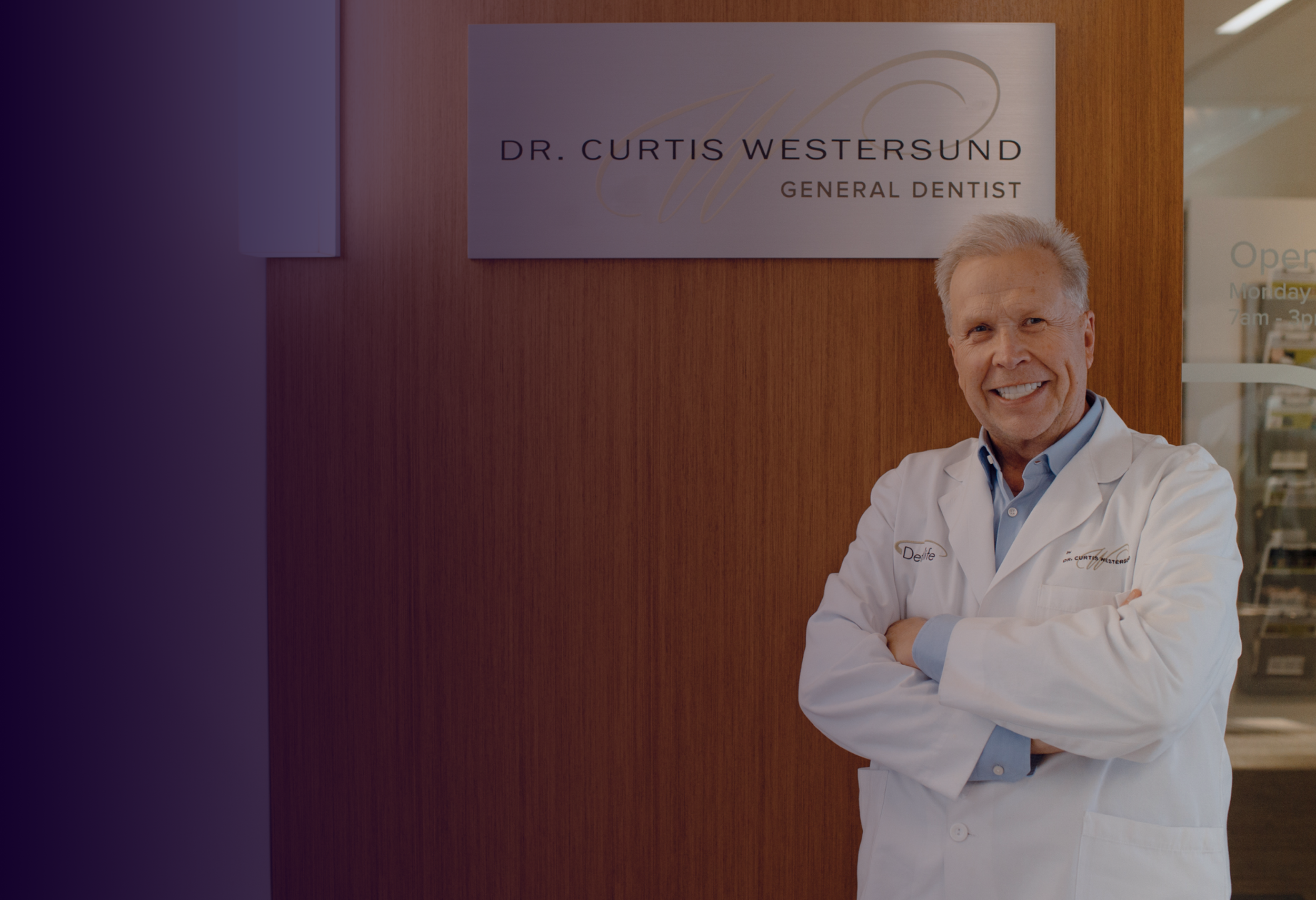
Digital TMJ
A Biomechanical Approach to TMJ, Made for Real Dental Practices.
Learn a practical biomechanical approach to TMJ/TMD that helps you see the whole case, explain it clearly, and build more confidence in diagnosis, treatment planning, and patient care.
Explore Digital TMJ →1979
Practicing dentistry since
ICCMO Master
Fellow 2014 · Master 2015
T-Scan
Certified Tekscan trainer
Teeth to Toes
A whole-body method
The training gap
Why Most Dentists Still Avoid TMJ
TMJ patients are everywhere, but many dentists still feel unsure of what they are seeing, how to explain it, and how to treat it predictably. The problem is not a lack of ability. It is a lack of structured training.
Too Confusing
Most dentists were taught fragments, not a complete clinical system.
Too Risky
Without a clear framework, diagnosis and treatment can feel uncertain.
Too Disruptive
Many dentists assume adding TMJ means changing their whole office.
Hard to Explain
If the doctor is unsure, the patient feels unsure too.
A clearer approach
TMJ Does Not Have to Feel Complicated.
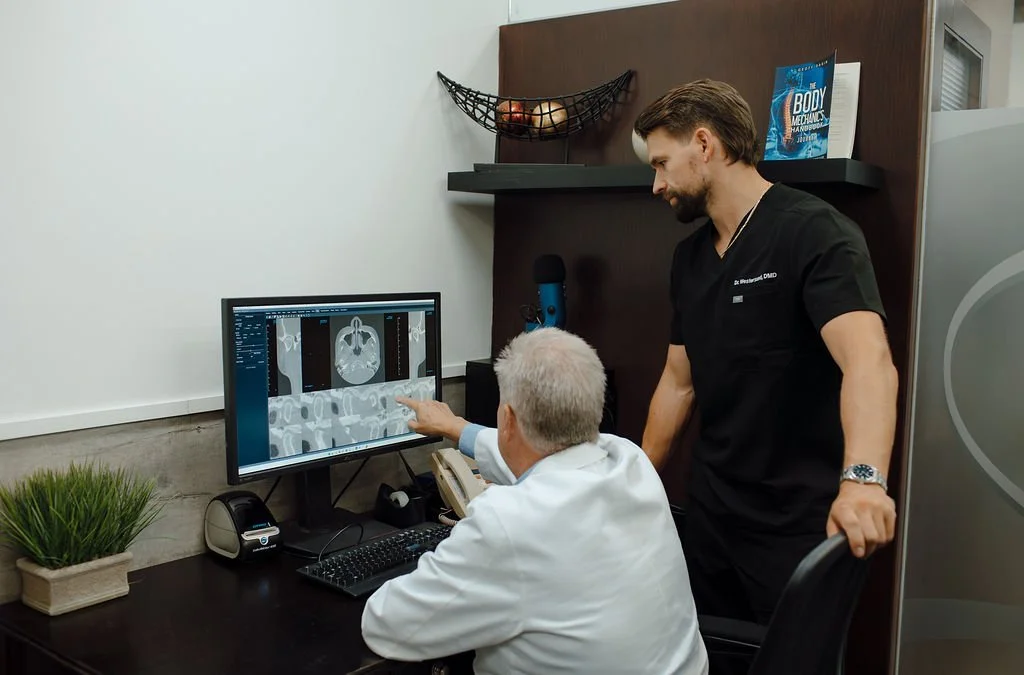
A structured approach
You Don't Need to Become a TMJ Guru. You Need a System.
Learn
Clear, evidence-based education that cuts through the confusion around TMJ and TMD.
Train
Hands-on, structured training builds the practical skills to diagnose and treat effectively.
Treat
Confident, well-prepared dentists deliver care that restores comfort and function.
Training & Resources
Everything You Need to Start Treating TMJ
Practical training, education and clinical resources for a more structured approach to TMJ and TMD care.
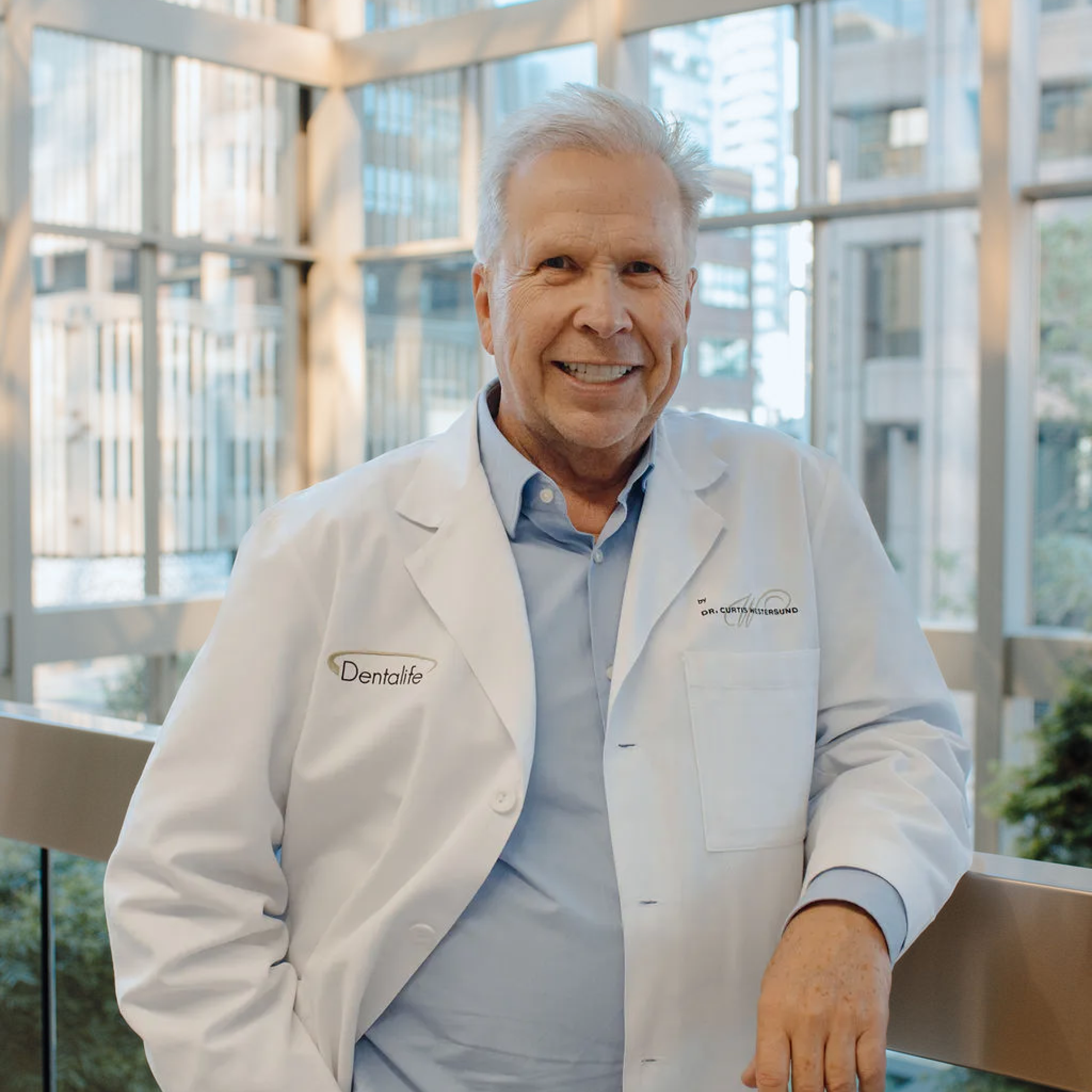
In-Person Training
Hands-on sessions with Dr. Westersund for you and your whole team.
→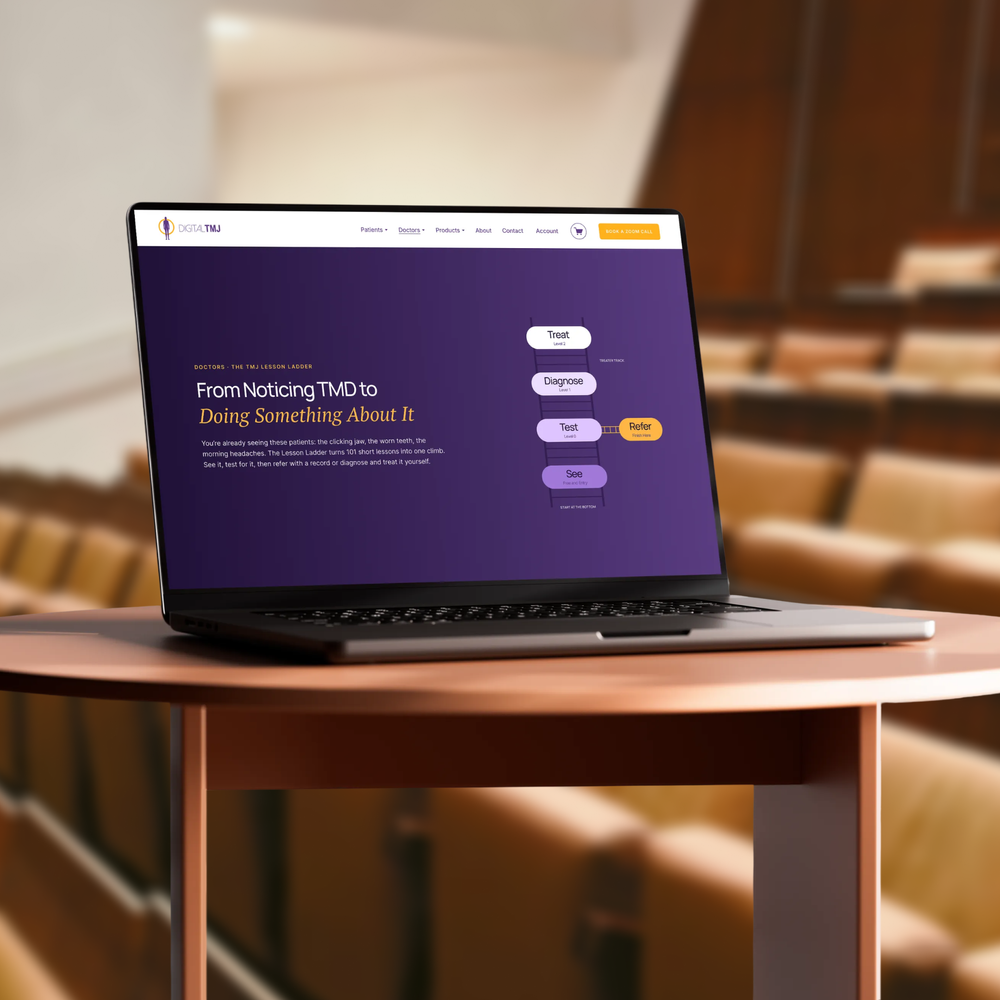
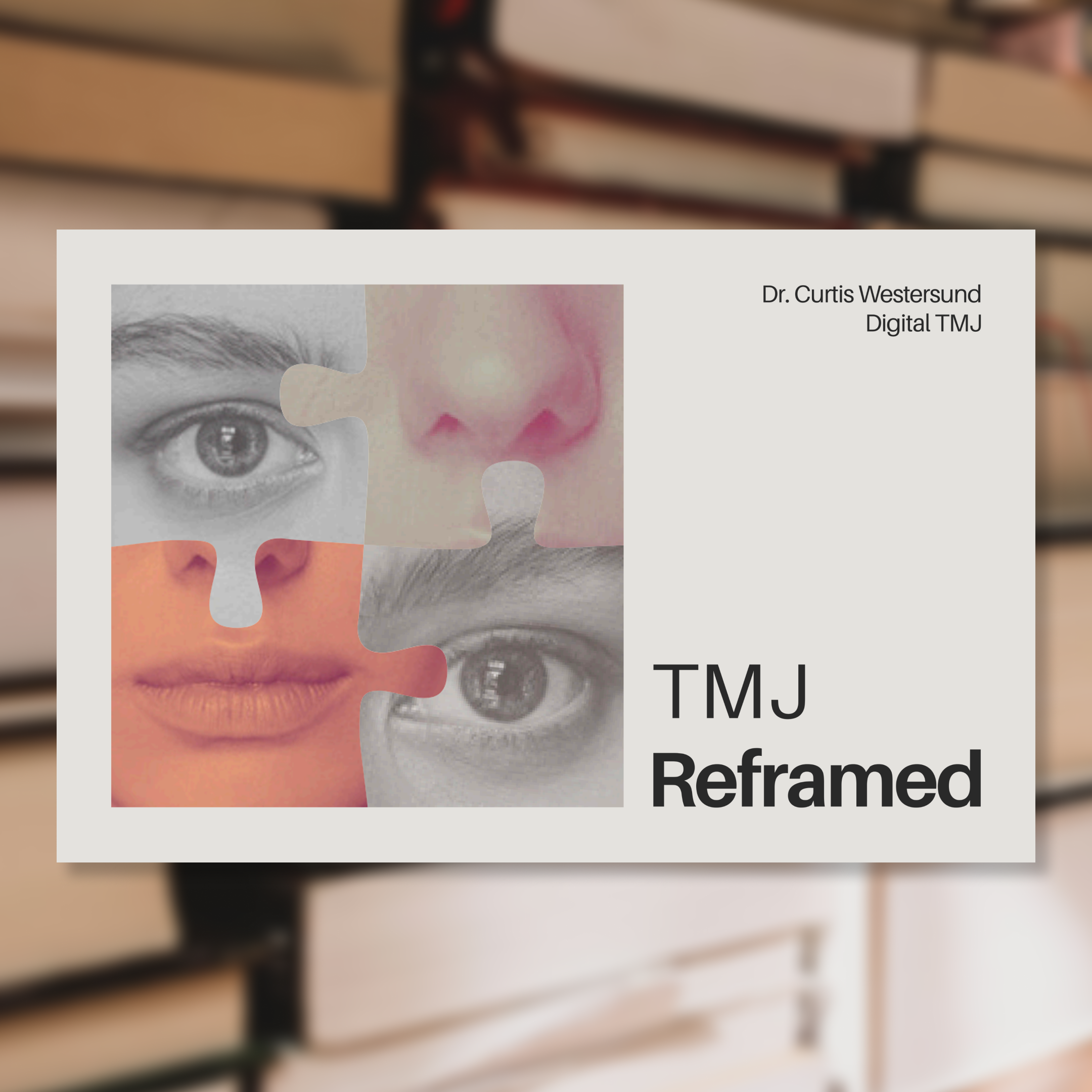
Online Courses
Self-paced TMJ courses designed for dentists, with online access to lessons and learning materials.
→
Books & Publications
Explore TMJ books and ebooks on biomechanics, jaw health, and whole-body wellness.
→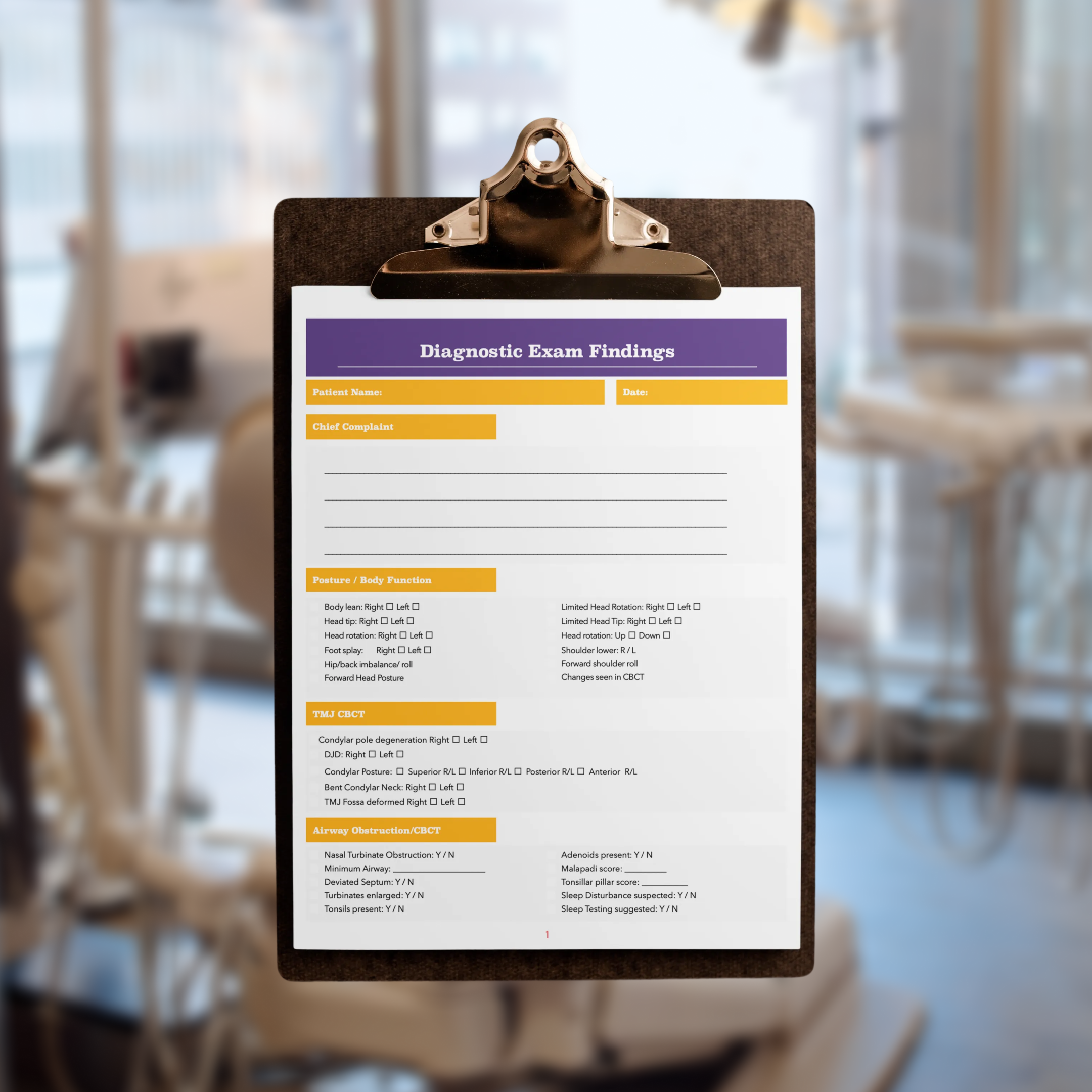
In-Office Records
Diagnostic records and forms that bring measurement into your practice.
→Questions From Dentists
TMJ & TMD Questions, Answered for Dentists
Dr. Curtis Westersund answers common clinical questions about TMJ and TMD diagnosis, treatment planning, occlusion and the biomechanical approach to patient care.
Explore Dentist Q&A →TMJ refers to the temporomandibular joint itself, while TMD refers to disorders involving the jaw joint and related structures. Understanding that distinction is an important starting point when evaluating a patient’s symptoms and determining what may be contributing to them.
A biomechanical assessment looks beyond jaw pain alone. The bite, jaw movement, muscles, airway, head and neck can all provide information that helps the dentist understand the patient’s presentation and determine what should be investigated further.
TMJ care starts with understanding what to observe, measure and evaluate. Digital tools can provide additional clinical information, but the foundation is a structured approach to assessment, diagnosis and treatment planning.
What Other Professionals Say
The beauty of Digital TMJ is that our knowledge is growing every day. Together, we’ll get better and better with providing TMJ treatment.

Digital TMJ has been instrumental with the growth of my practice. The training, support and materials were crucial to get it all exactly right.
When you aspire to become a TMJ practitioner, you can’t go wrong with Digital TMJ, where science is king and learning is a life-long commitment.

Follow Along
Clinical Insight, Right in Your Feed
Short, practical videos from Dr. Curtis Westersund on TMJ, TMD, biomechanics and the connections between the jaw and the rest of the body.
Get in Touch
Contact Digital TMJ
Have questions about TMJ and TMD, our patient resources, or training for dentists? Get in touch with our team for more information, guidance, or opportunities to learn and collaborate.